
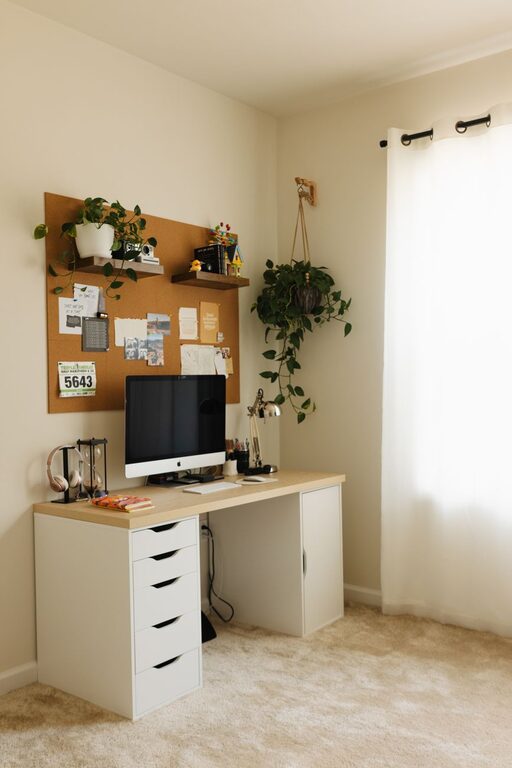
Creating a relaxing home office environment is more important than ever, especially as many people continue to work remotely or split their time between home and the office. A calm and comfortable workspace can improve focus, reduce stress, and make your workday more enjoyable. Whether you have a dedicated room or just a small corner, there are many ways to transform your space into a peaceful and productive area.
In this post, we’ll explore practical tips on designing a relaxing home office environment that supports your well-being and work habits.
Choose the Right Location
Find Natural Light
Whenever possible, place your desk near a window. Natural light not only helps reduce eye strain but also boosts mood and energy levels. If your space doesn’t have much natural light, consider using daylight-simulating bulbs, which mimic the qualities of natural sunlight.
Minimize Noise and Distractions
Choose a quiet spot away from busy household areas. If that’s not possible, noise-cancelling headphones or white noise machines can help block distractions. A calm environment helps you concentrate and feel more relaxed throughout the day.
Invest in Comfortable Furniture
Ergonomic Chair and Desk
Comfortable seating and proper desk height are crucial for avoiding physical strain. An ergonomic chair with good lumbar support and adjustable features helps maintain good posture. A desk that suits your height promotes comfort and reduces fatigue.
Personalize Your Space
Adding items like a soft cushion, a footrest, or an adjustable keyboard tray can enhance comfort. Customizing your workspace ensures it fits your body and work style, keeping you relaxed and focused.
Keep It Organized
Declutter Regularly
A tidy space promotes a clear mind. Keep only essential items on your desk and organize the rest in drawers or shelves. Use organizers like trays, pen holders, and file racks to maintain order.
Create a Filing System
Develop a simple system for sorting paperwork and digital files to avoid clutter buildup. This minimizes stress and saves time when searching for important documents.
Add Calming Elements
Incorporate Plants
Indoor plants improve air quality and add a touch of nature, which has a calming effect. Low-maintenance options like succulents or snake plants are great for office environments.
Use Soothing Colors
Choose soft, neutral colors for walls and décor, such as light blues, greens, or pastels. These colors are known to reduce anxiety and create a peaceful atmosphere.
Include Personal Touches
Photos, artwork, or meaningful objects make your office feel welcoming and comforting. Just be careful not to overcrowd your space with too many items.
Optimize Lighting
Use Multiple Light Sources
Avoid relying on a single overhead light. Combine different types of lighting such as desk lamps, floor lamps, or wall sconces to create a balanced and adjustable setup.
Control Brightness and Positioning
Position lights to reduce glare on your screens and avoid harsh shadows. Dimmable lights or lamps with adjustable arms allow you to customize lighting according to the time of day and task.
Establish Boundaries
Set Clear Work Hours
Define when your workday starts and ends to maintain balance. This helps prevent burnout and keeps home and work life separate.
Designate the Office Space Only for Work
Use your office area exclusively for work-related tasks to mentally associate the space with productivity. Avoid activities like watching TV or browsing social media in that space.
Incorporate Break Areas
Comfortable Seating Nearby
If space permits, add a small lounge chair or bean bag nearby for short breaks. Changing posture and location helps you recharge during a busy day.
Mindful Break Reminders
Set reminders to stand, stretch, or take deep breaths regularly. Small breaks improve focus and reduce stress.
Maintain Clean Air and Temperature
Good Ventilation
Ensure proper air circulation by opening windows when possible or using an air purifier. Fresh air improves comfort and cognitive function.
Comfortable Temperature
Keep your office at a temperature that feels neither too hot nor too cold. Use fans or heaters if needed to maintain a comfortable atmosphere.
Technology Tips
Manage Cables
Organize cables with clips or covers to prevent tangles and clutter. A clean workspace enhances calmness.
Use Blue Light Filters
Protect your eyes from strain by using screen protectors or software that filters blue light, especially during evening work sessions.
—
Creating a relaxing home office environment is a blend of thoughtful design, organization, comfort, and well-being. By incorporating these tips, you can build a workspace that supports your productivity while keeping stress at bay. Remember, the goal is to create a space that feels inviting and functional so you can focus on your tasks with ease and comfort.